Warm Minimalism vs. Cozy Maximalism: Which Style Fits Your Home?
Two cozy decor styles compared side by side — what each one asks of your space, where they overlap, and how to blend them.
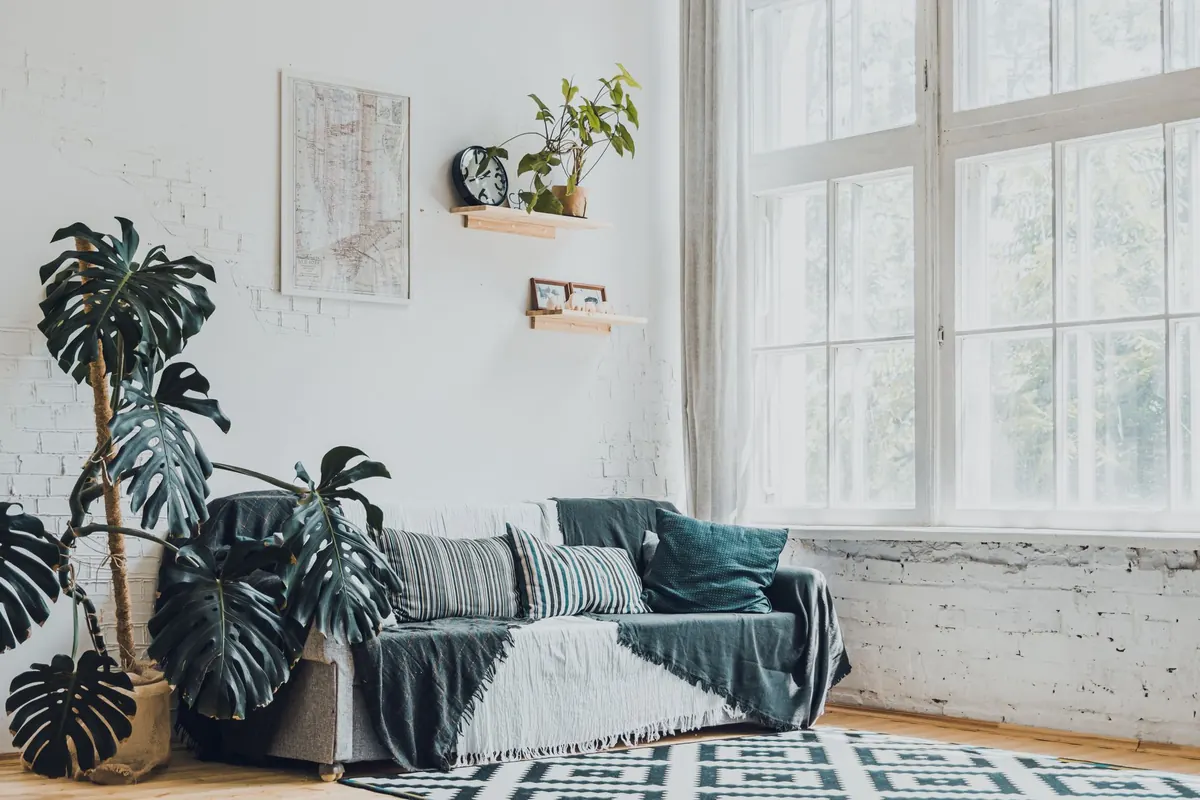
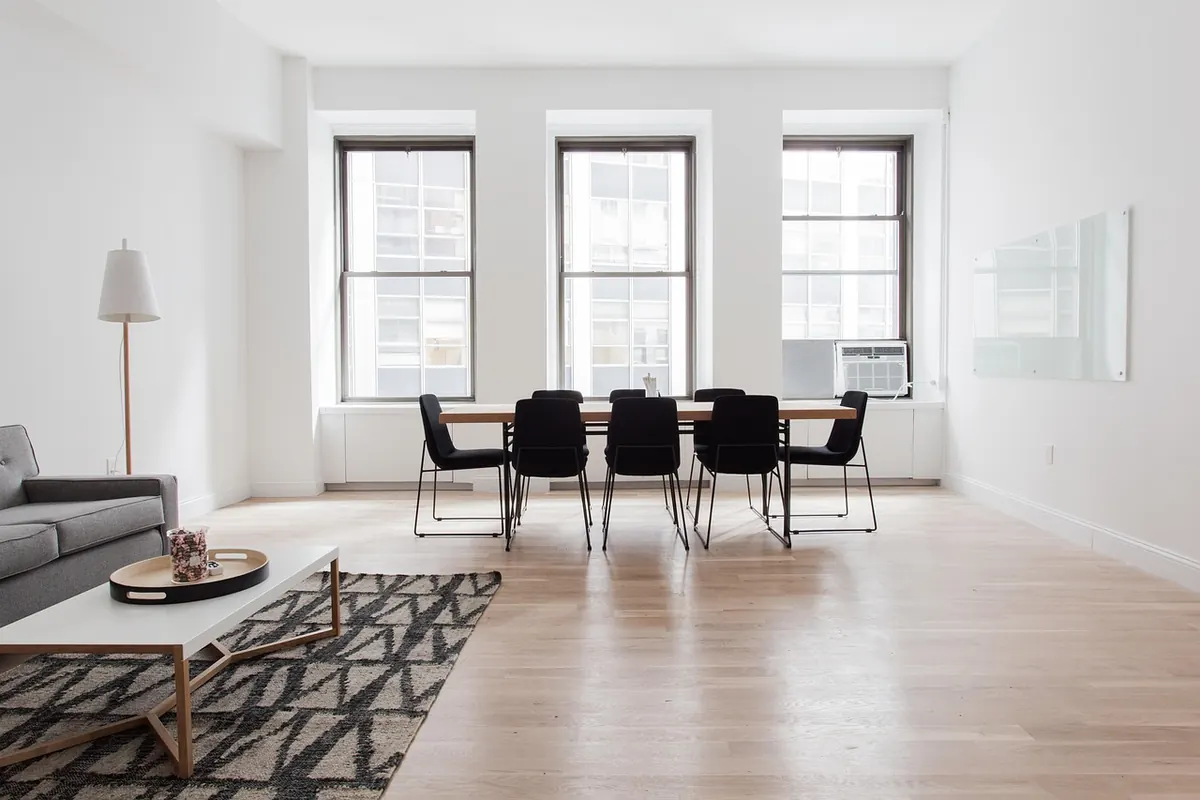
Ask two people to picture a cozy living room and you will get two completely different rooms. One sees a pale space with a single wool throw, a bare wood floor, and late light falling across an empty wall. The other sees a deep green sofa buried in cushions, a lamp on every table, and art stacked three rows deep. Both rooms are warm. Both are comfortable. The real difference is where they put the visual weight — and which kind of mess you are willing to make peace with.
Warm Minimalism: Fewer Things, Softer Edges
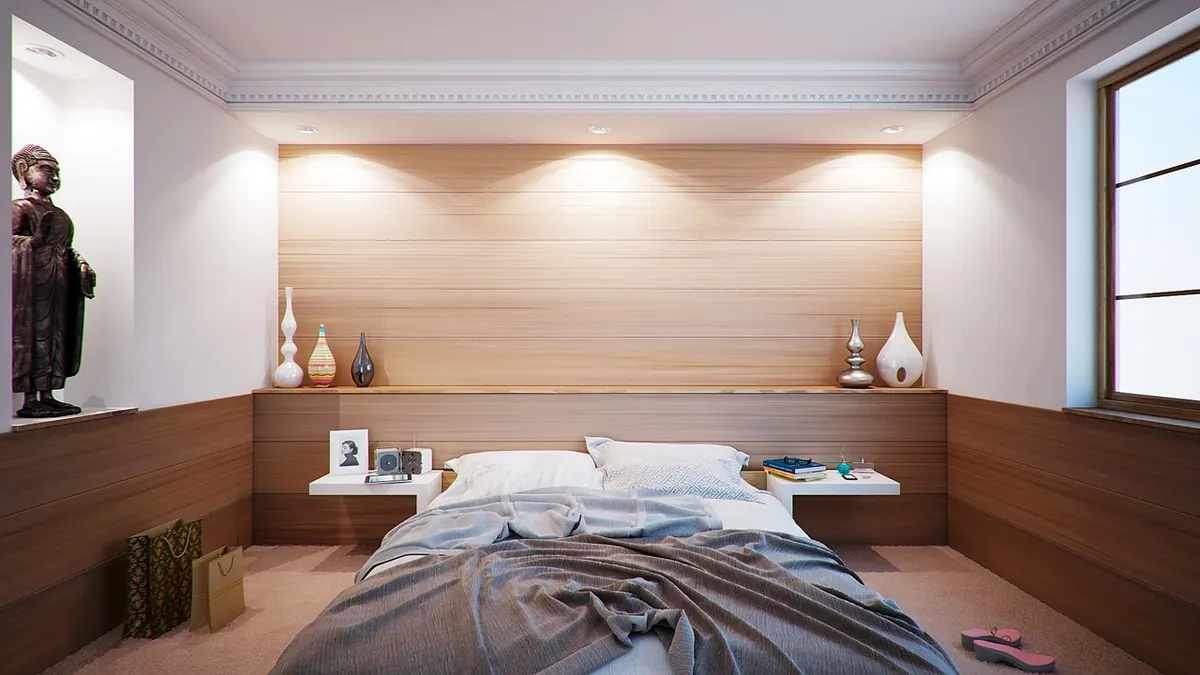
Warm minimalism keeps the restraint of minimalism and drops the chill. You still see empty space and a tight palette, but every surface you touch is soft: boucle, raw linen, chunky wool, worn leather, pale oak, unglazed ceramic.
In practice, a warm minimal room usually has:
- Three materials, repeated. Wood, wool and stone, for example, each showing up in at least three places.
- A palette of two or three colors. Chalky off-white, clay, and one deep anchor like charcoal or olive.
- Six to eight objects, not thirty. One large piece of art instead of a crowded wall; two ceramic vases rather than a shelf of them.
- Texture instead of pattern. A ribbed throw, a nubby rug, a slubby linen cushion.
- Low, layered light. Table and floor lamps on warm bulbs, no single overhead glare.
The catch: every item is visible, so each one has to earn its place. A bare room hides nothing.
Cozy Maximalism: More, but on Purpose
Cozy maximalism runs on the opposite instinct. The room should look collected, not curated. Pattern sits beside pattern. A patterned rug goes over a plain one. Books stack horizontally once the shelves are full. A flea-market landscape shares wall space with family photos.
It works when there is a hidden structure underneath. Choose three colors and repeat them through the room — in the rug, the cushions, the book spines, the art. Keep the large pieces quiet so the busy things have something calm to sit against. And leave one surface alone: an empty coffee table makes the rest of the room feel intentional rather than accidental.
Maximalism is also forgiving in a way minimalism is not. A basket of toys, a stack of half-read paperbacks and a guitar propped in the corner all belong.
The Honest Trade-Offs
Neither style is easier. They simply cost you different things.
Warm minimalism, honestly
- Good: calming on the eye, fast to clean, easy to live with if visual noise tires you.
- Good: rewarding if you buy slowly — fewer things, better ones.
- Tricky: little room for souvenirs and collections, and it can read as a hotel room if the textures are thin.
- Tricky: one stray tote bag or pile of mail stands out immediately.
Cozy maximalism, honestly
- Good: personality from the first step in the door; ideal for collectors, readers and families.
- Good: absorbs daily life — a new candle or cushion always has somewhere to go.
- Tricky: dusting takes longer, and the room asks for regular editing to stay warm rather than noisy.
- Tricky: easy to spend a lot on small things that add up without adding much.
Both styles live or die on texture and warm light — which is probably why both rooms in your head felt cozy in the first place.
Which Style Fits You?
Skip the online quizzes and answer five questions about the rooms you actually have.
- What do you want to feel when you walk in? Settled and quiet points toward minimalism; delighted and surrounded points toward maximalism.
- How much do you genuinely love what you own? If most of it makes you happy, display it. If half of it is inherited obligation, minimalism is kinder.
- How do you handle maintenance? Be honest about dusting. Layered rooms need it weekly, and that is not a small commitment.
- What is the architecture already doing? A small room with low ceilings and one window will feel cramped under heavy layers. A large, plain room can swallow minimalist furniture and look unfinished.
- Who else lives here? Toddlers, shedding pets and clumsy coffee drinkers change the answer quickly.
Blending the Two
Most comfortable homes are a blend. The reliable formula is a quiet shell with loud layers: keep walls, floors and large furniture simple, then add pattern, color and collections in things you can move — rugs, cushions, throws, art, lamps, books.
A few ways to mix them:
- One maximalist zone. A dense gallery wall or a packed bookshelf in an otherwise calm room reads as a focal point, not clutter.
- Minimal furniture, maximal textiles. A plain linen sofa with a striped kilim cushion and a patterned throw.
- Rotate instead of accumulate. Store half your accessories and swap them each season. The room changes without growing.
- Cap your colors. Three repeating colors will hold a busy room together; five will fight.
Start With One Room
Pick the room you use most and live in it for a week before buying anything. Notice where you actually sit, where the light is worst after dark, and where things pile up. Then make one move: add a lamp, clear a single surface, or hang something you love at eye level.
Add texture before color, and add light before either. If you are drawn to both styles, you are in good company — a calm room with a few beloved, busy corners is the version most people stay happy with longest.