
How to Layer Lighting for a Cozy Living Room (3-Layer Formula)
A practical three-layer formula for combining ambient, task, and accent lighting with warm dimmable bulbs to make any living room feel soft and inviting.
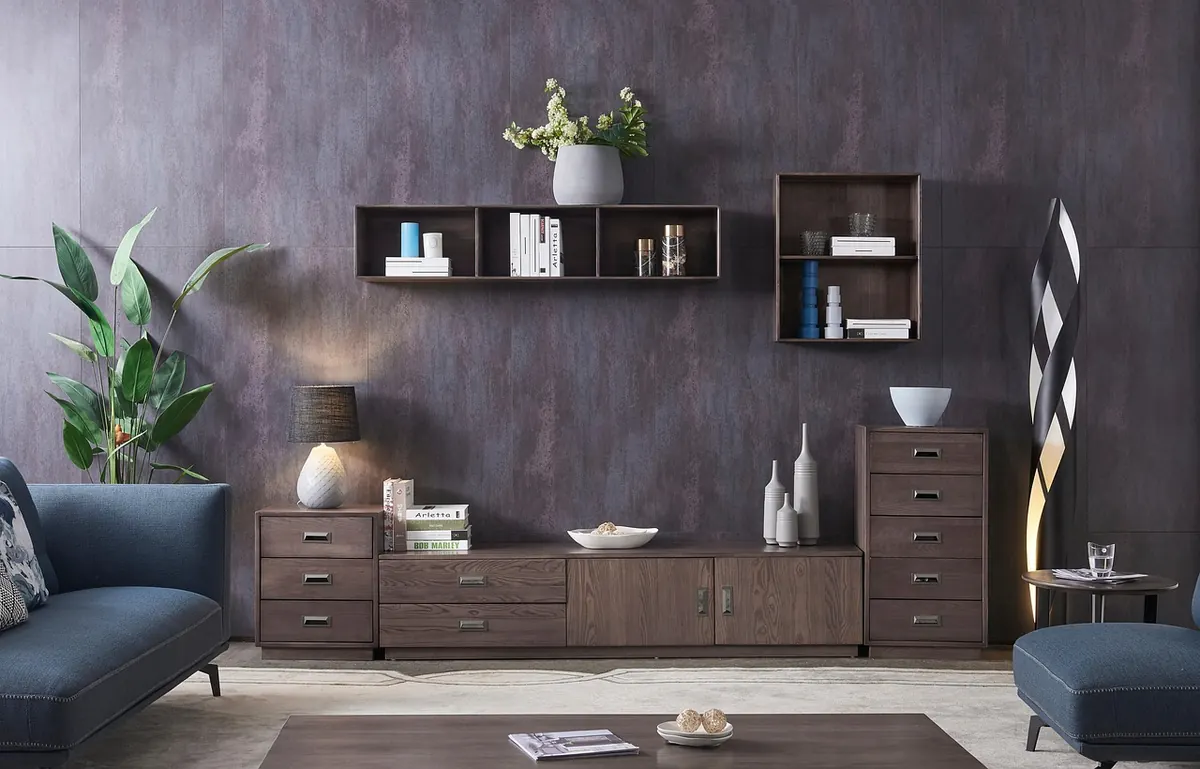
A living room with one bright light in the middle of the ceiling is easy to recognise. The sofa looks flat, the corners turn into caves, and the lamp you love sits switched off because the ceiling fixture is already doing all the talking.
Layered lighting fixes that. Instead of one source trying to do everything, you split the job across three kinds of light — ambient, task, and accent — then keep them warm and dimmable. The room ends up with soft pools of light, gentle shadows, and just enough glow that people want to sit down and stay a while.
Here is the formula, layer by layer, plus the bulbs and switches that make it work.
The Three Layers, Briefly
Every cozy living room runs on the same three jobs:
- Ambient — the general wash of light that keeps the room usable and safe to walk through after dark.
- Task — focused light exactly where you read, knit, work on a laptop, or set down a cup of tea.
- Accent — smaller pools of glow that add depth, highlight things you like, and make the room feel finished.
Most rooms get this backwards. One overhead fixture blasts out ambient light, the corners stay dim, and nobody can read comfortably. Cozy rooms flip the proportions: ambient stays low, accent does more of the visible work, and task light appears precisely where it is needed.
Layer 1: Ambient Light, Kept Low
Ambient light is the base coat. It should be even, soft, and slightly boring — the layer you notice only when it is missing.
If you have a ceiling fixture, put it on a dimmer and treat it as background rather than the main event. A dimmable bulb plus a dimmer switch, or a smart bulb you control from your phone, is often the cheapest upgrade in the room. If the fixture has a bare bulb, get a shade on it; exposed bulbs read as harsh no matter how warm the colour temperature.
No ceiling wiring, or renting? Build ambient light from the floor and walls instead. Two floor lamps in opposite corners, a pair of plug-in wall sconces behind the sofa, or an uplight tucked behind a large plant so the light bounces off the ceiling all work beautifully. The aim is a soft, even wash, not a spotlight. In the evening, ambient light should leave the room a little shadowed. That is the point.
Layer 2: Task Light Where You Actually Sit
Task lighting is the layer that makes a room functional, and it is usually the one people skip.
Start with your seat. If you read in a particular armchair, it needs its own light within arm's reach. A table lamp beside the chair is the classic answer: tall enough that the bottom of the shade sits roughly at eye level when you are seated, so light falls onto the page rather than into your eyes. If the shade sits below your chin, you will spend the evening squinting past a bright bulb.
For a sofa, two lamps — one at each end, on side tables — beat a single lamp in the middle every time. They balance the room and stop one side from feeling abandoned. An arc floor lamp over a coffee table works well if you want light without a table, and a slim lamp on a console behind the sofa is a good fix when there is no space on either side.
One caution with screens: keep task light beside or behind a laptop, not directly in front of it, or you will be fighting glare all evening.
Layer 3: Accent Light for Depth and Warmth
Accent lighting is where a room stops looking lit and starts looking cozy. These are small, intentional sources that create sparkle and shadow.
- A picture light above artwork, or a slim sconce beside it.
- A battery-powered puck light inside a bookcase.
- A small lamp on a console or entry table, on its own dimmer.
- An uplight behind a tall plant or a floor vase.
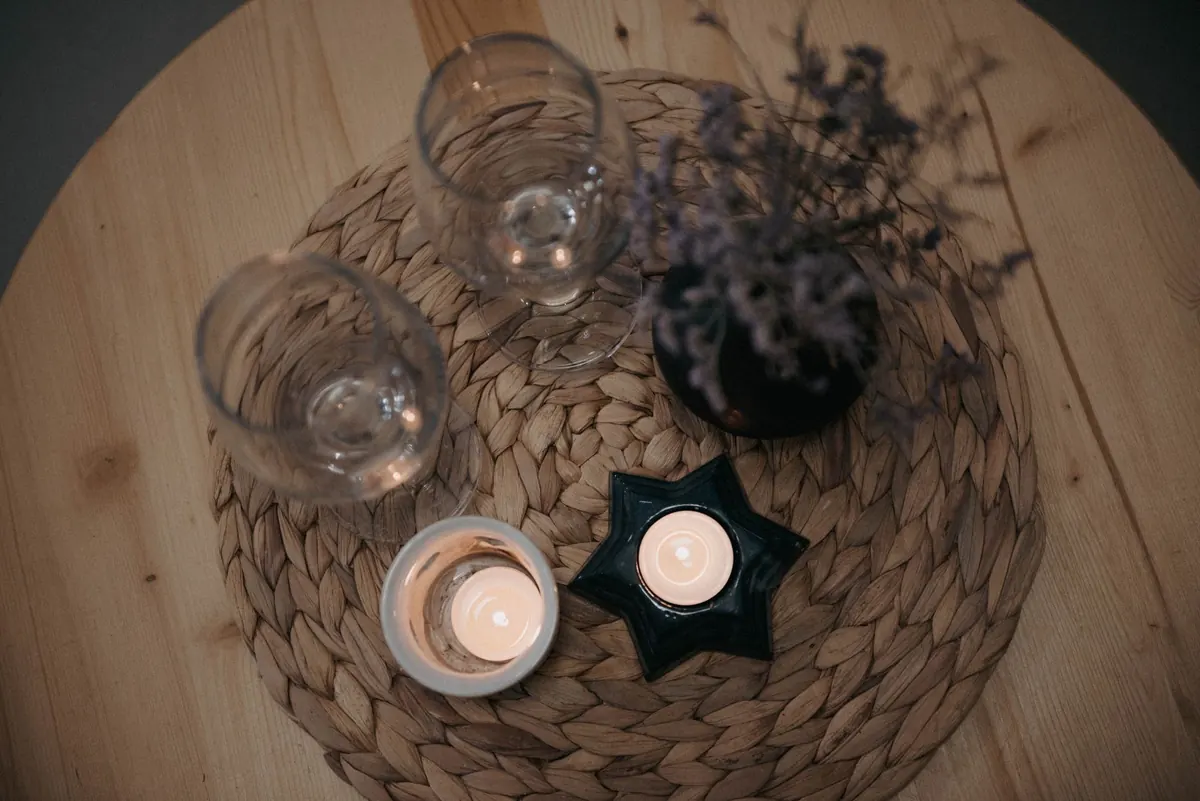
- A cluster of candles on a tray, or a strand of warm lights along a shelf.
Aim for at least two accent points at two different heights. Low and high light together create the sense of depth that a single source never can. And never aim an accent straight across the room into someone's eyes — angle it at a wall, a plant, or an object instead.
Get the Bulbs and Dimmers Right
Colour temperature
Stay around 2700K for a warm, familiar glow, and go as low as 2400K if you want something closer to candlelight. Cool white bulbs in the 4000K range and above will undo every good decision you make elsewhere in the room.
Keep temperatures consistent. Mismatched bulbs — one warm, one cool — look worse than any single choice, and mismatches show even under shades.
Brightness and dimming
Think in lumens rather than watts. A 60-watt-equivalent LED, roughly 800 lumens, is a comfortable level for a reading lamp; smaller accent lamps are happy with far less.
Check that your bulbs are labelled dimmable before you buy, because some LEDs flicker or buzz on older dimmers. For lamps that plug into the wall, a plug-in dimmer, a foot dimmer, or a smart plug gives you control without an electrician. Group several lamps onto one smart plug and you can soften the whole room from the sofa in one move.
Shades and placement
Linen, paper, and woven shades scatter light softly; metal and opaque shades push it up and down in tighter beams. Whichever you choose, the shade should cover the bulb. Save the visible filament for a fixture where it is genuinely the design.
Put It Together in One Evening
- Turn off the ceiling light and sit where you normally sit. Notice which areas feel dark or uncomfortable.
- Add ambient light: two lamps in opposite corners, dimmed low.
- Add task light: one brighter lamp within reach of your seat.
- Add accent light: two smaller sources at different heights.
- Put everything on dimmers or smart plugs, then adjust over the next few evenings rather than all at once.
Before you buy anything, move lamps in from other rooms and see how far that gets you. Most living rooms already contain most of the light they need. For hardwired sconces, new outlets, or any change to your home's wiring, hire a licensed electrician, and keep cords out from under rugs where they can be damaged.
One Week Later
Live with the arrangement for a week before spending money. You will quickly learn which lamp you never turn on and which corner still feels gloomy, and those two answers usually tell you exactly what to buy.
Move lamps a few inches, swap a shade, try a warmer bulb. Layered lighting is not a fixed setup; it is a small collection of switches you learn to balance. When you can look around the room and count three or four separate pools of light, with no glare and no dark corner that bothers you, the formula is working — and the room will feel like somewhere worth staying.