How to Create a Cozy Reading Nook in a Small Corner
A practical guide to turning a cramped corner into a real reading nook, with advice on measuring the space, choosing compact seating, layering warm light, and hiding storage.

There is a corner in almost every home that does nothing useful. It sits between the bookcase and the window, or behind the door, or beside the radiator, quietly collecting a tote bag and a folded-up ironing board. That corner is probably wide enough for a chair, a lamp, and a shelf the height of your knee. That is genuinely all a reading nook needs. What separates a nook that feels like a destination from one that feels like leftover space is not square footage. It is how carefully the pieces fit the spot you actually have.
Start by Measuring the Space You Really Have
Before you fall for a chair online, spend five minutes on the floor with a tape measure and a pencil. Corners lie to the eye. A spot that looks generous on a Tuesday morning can turn out to be twenty-eight inches wide once the skirting board and the radiator pipe are counted.
- Measure the floor at its narrowest point, not the widest. That is the number that governs everything else.
- Check where the outlets are. One within reach of the chair saves you from trailing an extension cord across the room.
- Watch the swing of any nearby door, and the path people take to the kitchen. A nook that blocks traffic will be resented, not used.
- Note the direction of the natural light. A corner that catches soft morning sun wants a low chair. One that bakes at four in the afternoon will need a linen shade and a lamp for the evening.
- Decide what the corner is for. A twenty-minute chapter before bed and a three-hour Sunday afternoon are different briefs.
Leave at least thirty inches of clear walking space in front of the chair. If your corner cannot spare that, consider a narrower seat or a floor cushion rather than forcing an armchair into a gap.
Choose Seating That Fits the Footprint
Small does not mean uncomfortable, but it does mean paying attention to shape. Deep, overstuffed club chairs swallow a corner and make it feel tighter. Look instead for slim arms, a high back, and a seat depth that lets your feet reach the floor. A slipper chair, a compact wingback, or a swivel chair with a small footprint all work well. A swivel is quietly brilliant in a corner because you never have to rearrange the room to change your view.
Sit in the chair for at least twenty minutes before buying, if you possibly can. Bring a book. Arm height matters more than most people expect: arms that sit too low leave your elbows floating, and arms that sit too high make holding a book awkward for long stretches.
If the space is genuinely tiny, you still have options. A cushioned storage ottoman with a firm lid gives you a seat and a place for blankets. A wide windowsill with a thick cushion turns into a perch. And a good floor cushion with a back rest takes up almost nothing when it is not in use. Secondhand chairs are worth hunting for here, since a slipcover can solve a tired fabric in an afternoon.
Light the Nook in Three Layers
Overhead light alone will make even the best chair feel like a waiting room. Aim for three small sources instead.
- A task light positioned so the light falls over your shoulder onto the page, not into your eyes. A floor lamp with an adjustable arm, or a clip-on reading light, does this best.
- An ambient glow from a small table lamp on a side table or wall shelf. Warm bulbs, around 2700K, suit an evening nook far better than cool white.
- A soft accent that comes on when everything else goes off. A plug-in wall sconce needs no wiring and is made for renters.
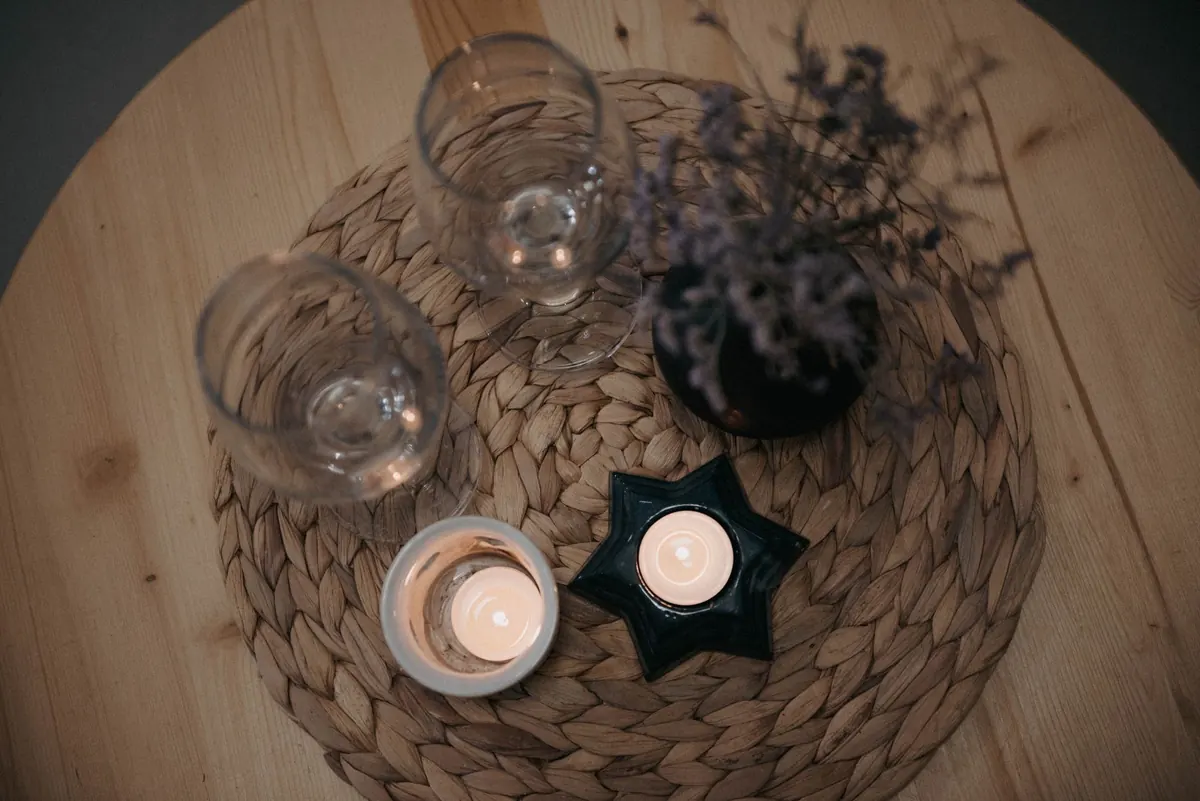
Dimming matters more than brightness. If you can put the lamps on a dimmer switch or a smart plug, you can drop the light to a low gold in the evening without touching the main light at all. If you use a candle, keep it well away from curtains, throws, and paperbacks, and never leave it burning unattended.
Add Storage That Disappears
A reading nook needs storage for exactly two things: the book you are currently reading, and the things that make you comfortable while you read it. That is a small brief. A side table with a single drawer, a slim basket beside the chair, or one floating shelf at shoulder height will usually cover it.
Resist building a library in the corner. Keep five to ten books there and rotate them from the main shelves every few weeks. The nook stays inviting, and the books stay fresh. A shallow basket tucked under the chair handles a throw blanket and a pair of socks, and disappears the moment you sit down.
Layer in Warmth and Texture
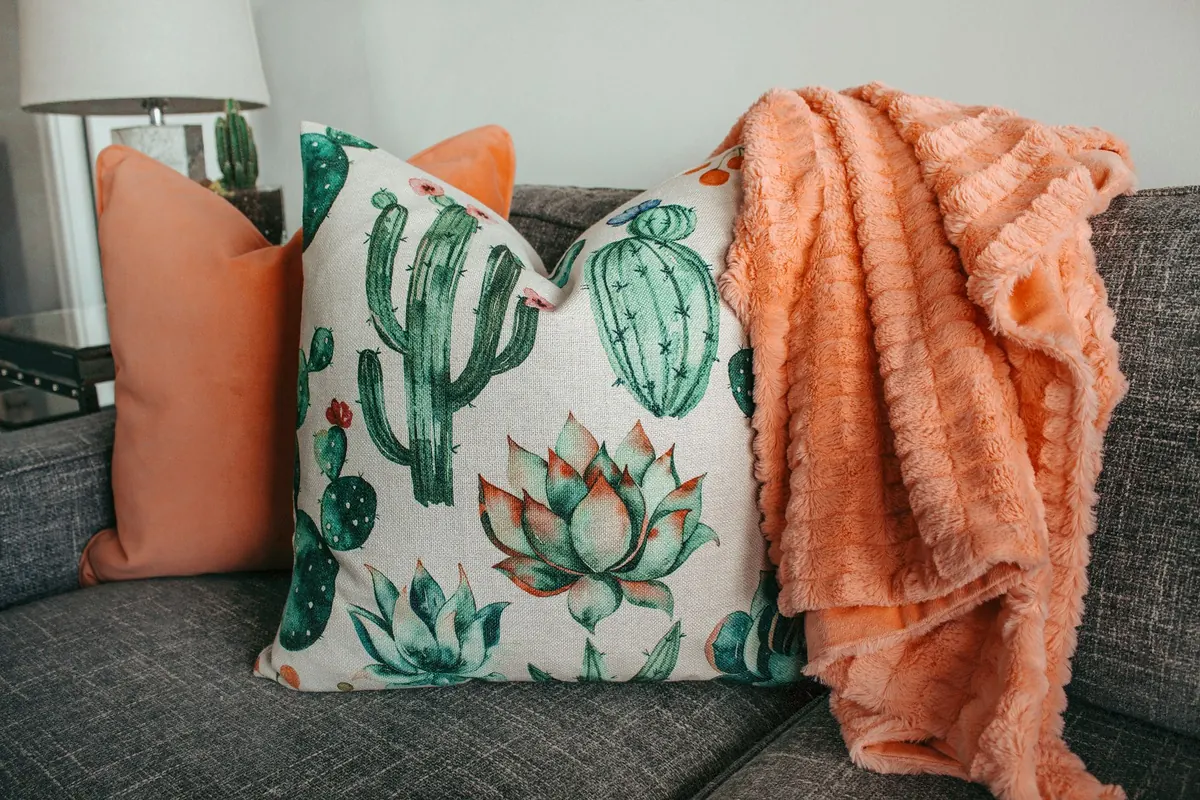
Small spaces respond to texture better than pattern. A dense wool throw, a linen cushion, a small sheepskin over the arm of the chair, and a rug that reaches just under your feet will do more for the corner than any amount of decoration. The rug also quietly defines the nook, separating it from the rest of the room without a wall or a screen.
Stick to two or three colours you already use nearby. In a tight corner, a wash of warm neutrals with one deeper accent looks intentional. Four competing patterns look like clutter, however lovely each piece is on its own.
The Details That Make It Yours
A tray on the side table keeps a mug, a coaster, and a pair of headphones from wandering. A small plant, real or convincingly fake, adds life at eye level. A notebook and pen for the lines you want to remember. One object that means something to you, placed where you will see it every time you sit down.
Think about sound, too. A corner near a washing machine or a hallway will never feel restful. If you cannot move the chair, a thick rug, a heavy curtain, and a closed door do more than you would think.
The Five-Minute Reset
The best reading nooks are the ones that stay ready. Once a week, spend five minutes putting the mug back in the kitchen, folding the throw, and swapping out the book stack. Before you sit down each evening, do one small thing: turn on the lamp, plump the cushion, open to your page. That tiny ritual does more to make a corner feel like yours than any purchase on this list. Start with the corner you already have, and let it earn its keep one chapter at a time.
Photo: lhthoai / Pexels